Condition Guide · Atlanta, GA
Knee pain has dozens of possible causes. Before you can treat it effectively, you need to know which structure is actually involved. This guide focuses on one specific, treatable cause: patellar tendinopathy — degeneration of the tendon connecting the kneecap to the shin.
Real Results
Hear directly from someone whose patellar tendon pain was treated with TenJet instead of open surgery.
TenJet Patient Testimonial - Chronic Patellar Tendinitis (Jumper's Knee)
Video courtesy of HydroCision, Inc., the maker of TenJet®. Individual results vary; this patient's experience is not a guarantee of outcome. Talk with a specialist about whether the procedure is appropriate for you.
The Procedure
TenJet doesn't treat the joint — it targets the degenerated section of tendon directly. HydroCision, Inc. designed the system around a simple idea: remove damaged tissue precisely enough that the healthy fibers around it are left intact, without the recovery burden of open surgery.
Understanding the Condition
Patellar tendinopathy develops when the patellar tendon accumulates small amounts of damage faster than it can repair itself, usually from repetitive loading — jumping, squatting, or running.
See The Procedure
Official demonstration video from HydroCision, the maker of TenJet, plus a look at how tendinitis differs from the deeper tissue degeneration TenJet is designed to treat.
TenJet Patella Tendinosis Minimally Invasive Tenotomy


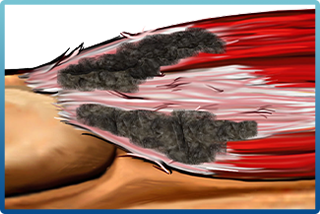
Diagrams and video courtesy of HydroCision, Inc.
Common Questions
Typically at the front of the knee just below the kneecap, worse with jumping, stairs and prolonged sitting, and often described as a deep ache rather than a sharp pain.
Usually with some protection at first. A published case allowed toe-touch weight bearing with crutches for three days, then progression as tolerated.
That is the typical scenario. One published patient had completed three separate rounds of physical therapy, including an aggressive eccentric protocol, before the procedure.
Some early tenderness is expected. In the documented case the patient used a short course of prescription analgesia on the first day and over-the-counter medication after that.
This information is general and is not medical advice. Whether any procedure is appropriate for you can only be determined by a physician who has examined you and reviewed your imaging.